



Aldehyde Dehydrogenase (ALDH)
Aldehyde Dehydrogenases (ALDHs) are a superfamily of NADP+-dependent enzymes that metabolize endogenous and exogenous aldehydes to corresponding carboxylic acids. This superfamily of proteins is comprised of 19 isozymes, with constitutive activity of at least one isozyme observed in a majority of mammalian tissues. The ALDHs play important roles, among other things, in cellular detoxification, the protection against ultraviolet radiation-induced damage, and amino acid metabolism.
The ALDH1A subfamily plays a pivotal role in embryogenesis and development by mediating retinoic acid signaling. ALDH2, as a key enzyme that oxidizes acetaldehyde, is crucial for alcohol metabolism. ALDH1A1 and ALDH3A1 are lens and corneal crystallins, which are essential elements of the cellular defense mechanism against ultraviolet radiation-induced damage in ocular tissues. Many ALDH isozymes are important in oxidizing reactive aldehydes derived from lipid peroxidation and thereby help maintain cellular homeostasis. Increased expression and activity of ALDH isozymes have been reported in various human cancers and are associated with cancer relapse. As a direct consequence of their significant physiological and toxicological roles, inhibitors of the ALDH enzymes have been developed to treat human diseases.
Aldehyde Dehydrogenase (ALDH) Isoform Specific Products
All Product Categories
-
Aldehyde Dehydrogenase (ALDH) Inhibitors
(89)
View all products
-
Aldehyde Dehydrogenase (ALDH) Agonists
(3)
View all products
-
Aldehyde Dehydrogenase (ALDH) Antagonist
(1)
View all products
-
Aldehyde Dehydrogenase (ALDH) Activators
(3)
View all products
-
Aldehyde Dehydrogenase (ALDH) Modulator
(1)
View all products
-
Aldehyde Dehydrogenase (ALDH) Inducers
(3)
View all products
-
Aldehyde Dehydrogenase (ALDH) Substrates
(3)
View all products
-
Aldehyde Dehydrogenase (ALDH) Ligand
(1)
View all products
-
Aldehyde Dehydrogenase (ALDH) Related Products (112)
Related Products (112)

-
Antibodies (9)
-
Aldehyde Dehydrogenase (ALDH) Isoform Comparison
-
Disulfiram
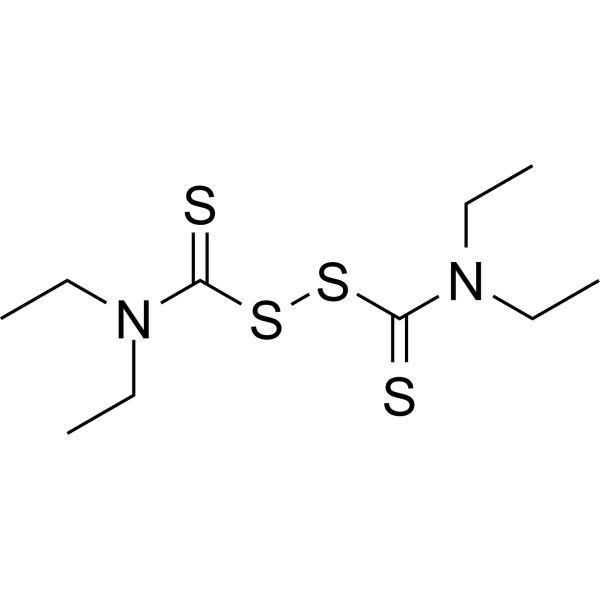 0 ImagesDisulfiram (Tetraethylthiuram disulfide) is a specific inhibitor of aldehyde-dehydrogenase (ALDH1), used for the treatment of chronic alcoholism by producing an acute sensitivity to alcohol. Disulfiram inhibits gasdermin D (GSDMD) pore formation in liposomes and inflammasome-mediated pyroptosis and IL-1β secretion in human and mouse cells. Disulfiram, a copper ion carrier, with Cu2+ increases intracellular ROS levels and induces cuproptosis.
-
4-Hydroxynonenal
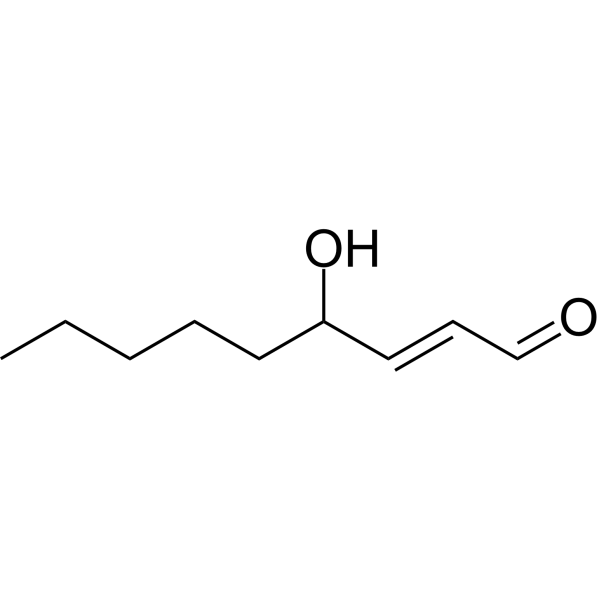 0 ImagesSynonyms: 4-HNE4-Hydroxynonenal (4-HNE) is an α,β unsaturated hydroxyalkenal and an oxidative/nitrosative stress biomarker. 4-Hydroxynonenal is a substrate and an inhibitor of acetaldehyde dehydrogenase 2 (ALDH2). 4-Hydroxynonenal can modulate a number of signaling processes mainly through forming covalent adducts with nucleophilic functional groups in proteins, nucleic acids, and membrane lipids. 4-Hydroxynonenal plays an important role in cancer through mitochondria.
-
Daidzin
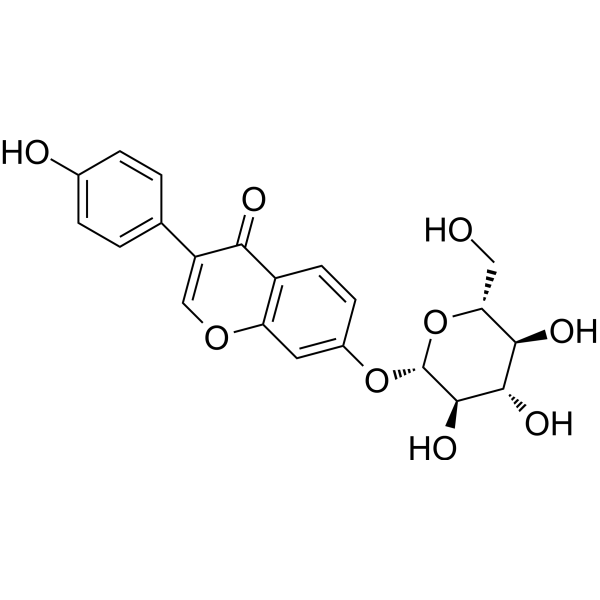 0 ImagesSynonyms: Daidzoside; NPI-031D; Daidzein 7-O-glucosideDaidzin is an isoflavone with antioxidant, anticancer, and antiatherosclerotic activities. Daidzin is a potent and selective inhibitor of mitochondrial ALDH-2. Daidzin reduces ethanol consumption.
-
Win 18446
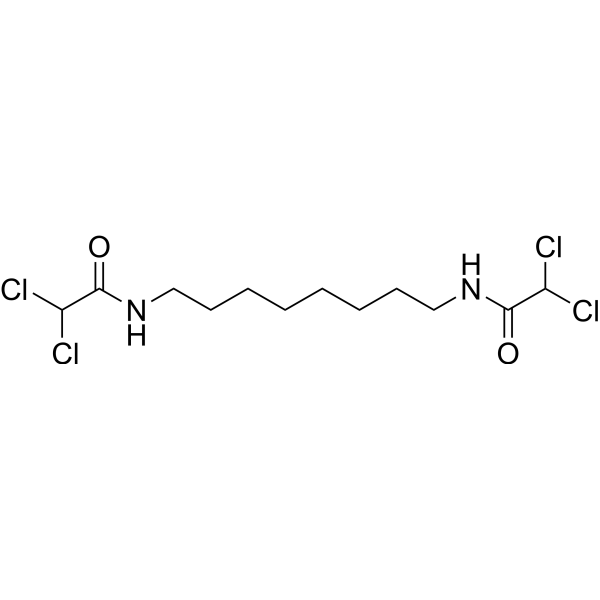 0 ImagesWin 18446 is an orally active testes-specific enzyme ALDH1a2 inhibitor, with an IC50 of 0.3 μM. Win 18446 reversibly inhibits spermatogenesis in many species and inhibits Retinoic acid (HY-14649) biosynthesis from Retinol (HY-B1342) within the testes.
-
Dyclonine hydrochloride
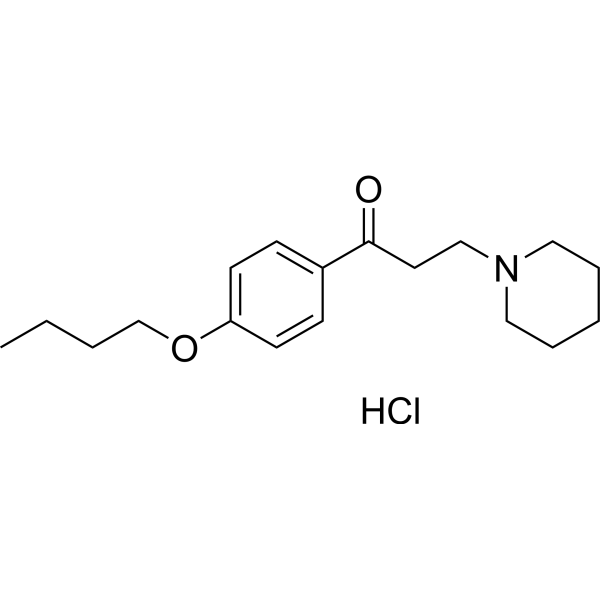 0 ImagesDyclonine hydrochloride (Dyclocaine hydrochloride) is an orally active, blood-brain barrier-permeable piperidine phenylacetone small molecule commonly used as a local anesthetic. Dyclonine hydrochloride acts as a highly selective allosteric antagonist of TRPV3; it also reversibly inhibits G9a, ALDH2 and ALDH3A1, non-competitively blocks AChE. Dyclonine hydrochloride activates the Nrf2/ARE pathway, relieves the epigenetic silencing of FXN, blocks Aβ42 aggregation, and promotes remyelination and reparative polarization of microglia. Dyclonine hydrochloride alleviates pruritus via TRPV3 inhibition; it is used in studies of neurodegenerative disease models based on its AChE inhibitory, antioxidant and remyelinating effects; it sensitizes drug-resistant tumors through ALDH inhibition, and combined use with protease inhibitors induces more tumor cell apoptosis; it inhibits Candida albicans in vitro. Dyclonine hydrochloride can be used for research on multiple diseases including neurodegenerative diseases, cancer and pruritic dermatitis.
-
3-Hydroxybenzaldehyde
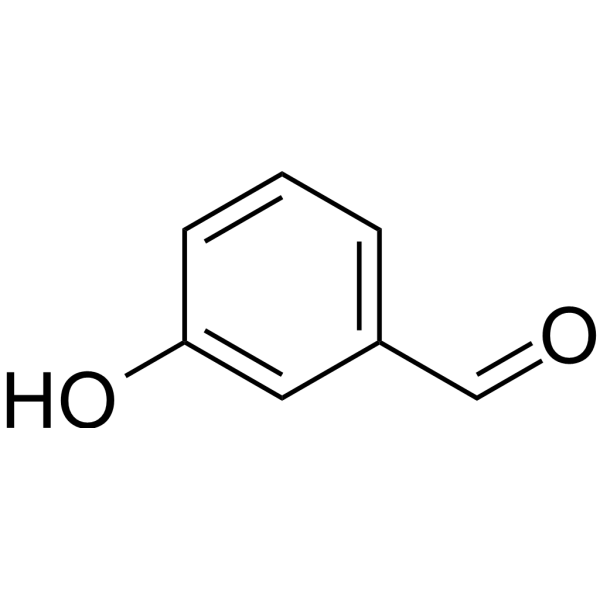 0 Images3-Hydroxybenzaldehyde (3-HBA) is a precursor compound for phenolic compounds like Protocatechuic aldehyde (PCA) (HY-N0295). 3-Hydroxybenzaldehyde, produced by 3-hydroxybenzyl-alcohol dehydrogenase, is a substrate of aldehyde dehydrogenase (ALDH) in rats and humans. 3-Hydroxybenzaldehyde has vasculoprotective effects in vitro and in vivo. 3-Hydroxybenzaldehyde is proming for research of atherosclerosis.
-
Cyanamide
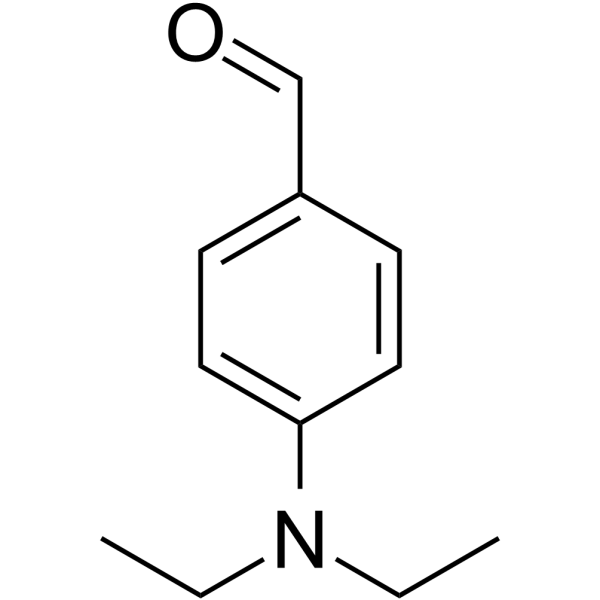
 0 ImagesCyanamide is a cell division and plant growth inhibitor, as well as an allelochemical derived from Vicia villosa. Cyanamide inhibits root growth and biomass accumulation in a dose-dependent manner by disrupting the formation of mitotic spindles and phragmoplast complexes, reducing the number of mitotic cells and blocking the cell cycle. The effects of Cyanamide are partially reversible after removal from low-concentration environments. Cyanamide is also a specific inhibitor of aldehyde dehydrogenase (ALDH). Although Cyanamide has no direct effect on tumor growth, it can significantly enhance the anti-tumor efficacy of Cyclophosphamide (HY-17420) at non-toxic doses by inhibiting the inactivation of Cyclophosphamide. Cyanamide enables Cyclophosphamide to exert equivalent therapeutic effects at lower doses, effectively inhibiting the growth of primary and metastatic tumors and prolonging the lifespan of tumor-bearing mice. Cyanamide is commonly used in studies related to ha-1 hepatoma and rls lymphosarcoma.
-
α-NETA
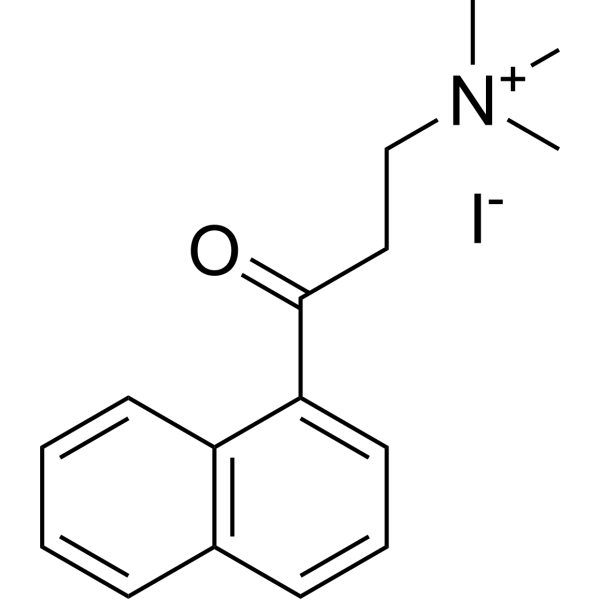 0 Imagesα-NETA is a potent and noncompetitive choline acetyltransferase (ChA) inhibitor with an IC50 of 9 μM. α-NETA is a potent ALDH1A1 (IC50=0.04 µM) and chemokine-like receptor-1 (CMKLR1) antagonist. α-NETA weakly inhibits cholinesterase (ChE; IC50=84 µM) and acetylcholinesterase (AChE; IC50=300 µM). α-NETA has anti-cancer activity.
-
NCT-501
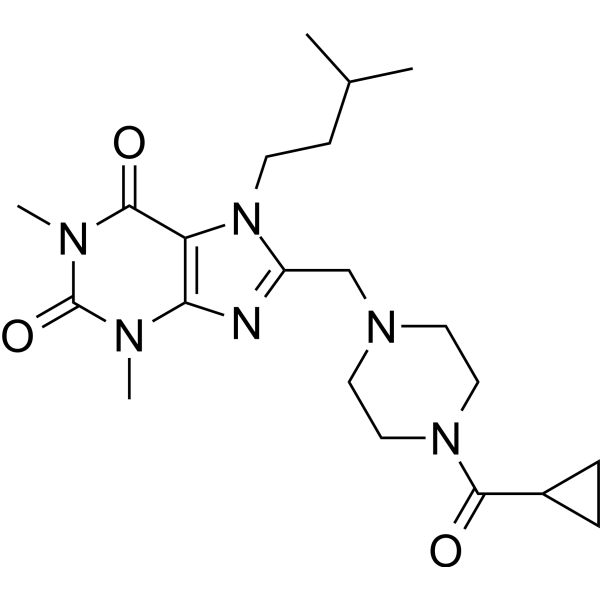 0 ImagesNCT-501 is a reversible, non-competitive, selective, blood-brain barrier-permeable ALDH1A1 inhibitor with an IC50 of 40 nM. NCT-501 inhibits the AKT-β-catenin signaling pathway, induces necroptosis in nasopharyngeal carcinoma cells, suppresses their proliferation and inhibits stem cell spheroid formation. NCT-501 can be used in research related to nasopharyngeal carcinoma, esophageal squamous cell carcinoma and malignant tumors.
-
3-Hydroxyphenylacetic acid
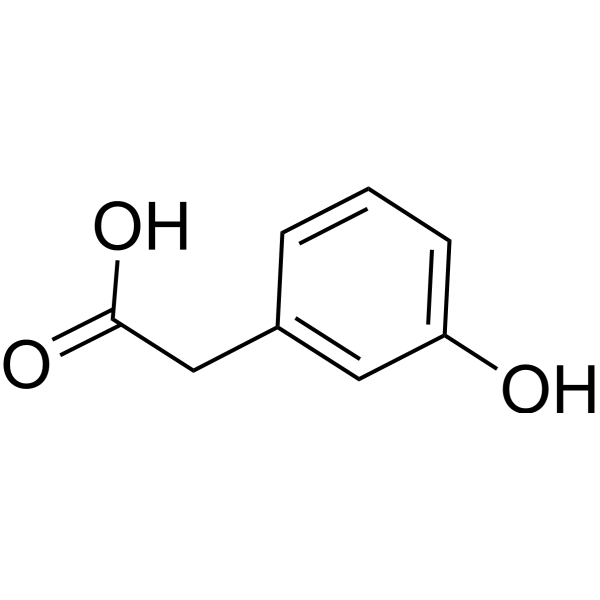 0 Images3-Hydroxyphenylacetic acid is an orally active flavonoid metabolite produced by intestinal flora, with blood pressure-lowering activity. 3-Hydroxyphenylacetic acid can also inhibit ferroptosis by upregulating the expression of GPX4, thereby improving spermatogenic dysfunction in aged mice. In addition, abnormal levels of 3-Hydroxyphenylacetic acid are closely related to certain diseases, such as autism spectrum disorders.
-
Disulfiram (Standard)
 0 ImagesSynonyms: Tetraethylthiuram disulfide (Standard); TETD (Standard)Disulfiram (Standard) is the analytical standard of Disulfiram. This product is intended for research and analytical applications. Disulfiram (Tetraethylthiuram disulfide) is a specific inhibitor of aldehyde-dehydrogenase (ALDH1), used for the treatment of chronic alcoholism by producing an acute sensitivity to alcohol. Disulfiram inhibits gasdermin D (GSDMD) pore formation in liposomes and inflammasome-mediated pyroptosis and IL-1β secretion in human and mouse cells. Disulfiram + Cu2+ increases intracellular ROS levels triggering apoptosis of ovarian cancer stem cells[1-6].
-
YG1702
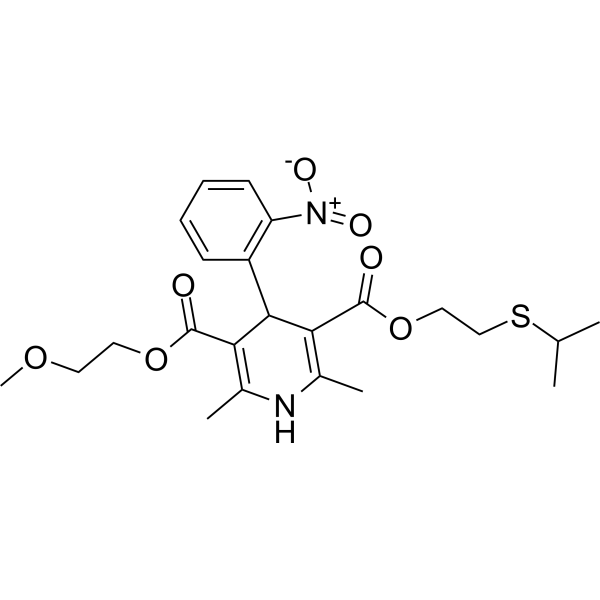 0 ImagesYG1702 is a potent ALDH18A1-specific inhibitor. YG1702 attenuates the growth of MYCN-amplified NB and down-regulates MYCN. YG1702 physically interacts with ALDH18A1 with a high affinity and might potentially affect its enzymatic activity.
-
CVT-10216
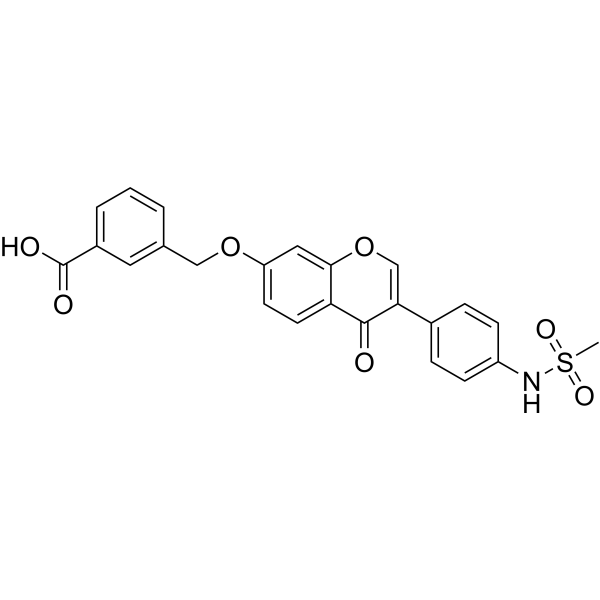 0 ImagesCVT-10216 is a highly selective, reversible aldehyde dehydrogenase-2 (ALDH-2) inhibitor with an IC50 of 29 nM. CVT-10216 also has inhibitory effect of ALDH-1 with an IC50 of 1.3 μM. CVT-10216 can reduce excessive alcohol drinking in alcohol-preferring rats and exhibit anxiolytic effects.
-
KM04416
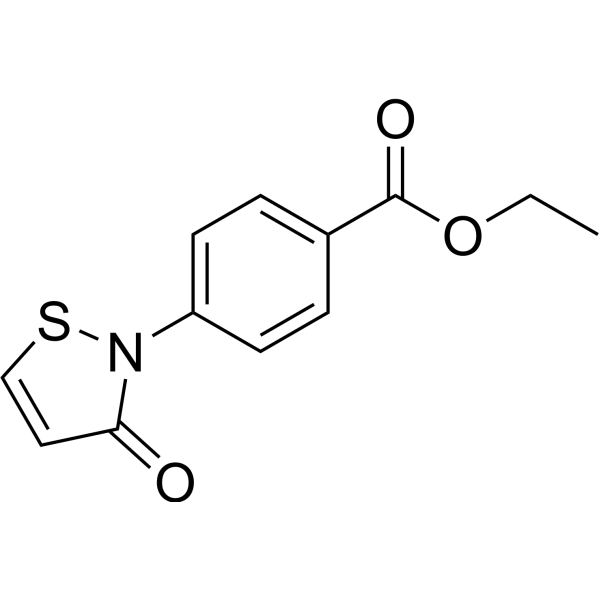 0 ImagesKM04416, an isothiazolone derivative, is a potent glycerol-3-phosphate dehydrogenase (GPD2) inhibitor. KM04416 significantly inhibits PNT1A cell proliferation.

-
ALDH1A inhibitor 673A
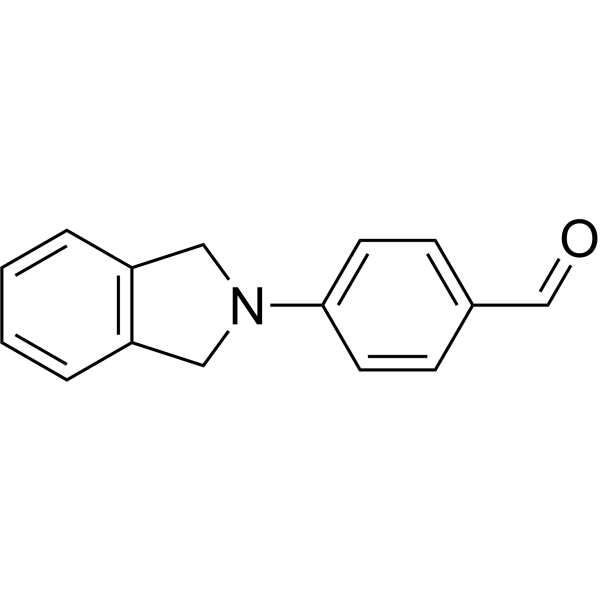 0 ImagesSynonyms: ALDH1Ai 673AALDH1A inhibitor 673A is an ALDH1A inhibitor with IC50s of 246 nM (ALDH1A1), 230 nM (ALDH1A2), 348 nM (ALDH1A3), respectively. ALDH1A inhibitor 673A has little or no inhibitory effect on other ALDH family members. ALDH1A inhibitor 673A induces necroptotic ovarian cancer stem-like cells (CSCs) death. ALDH1A inhibitor 673A induces DNA double stand breaks in cancer cells. ALDH1A inhibitor 673A can be used for the study of ovarian cancer.




